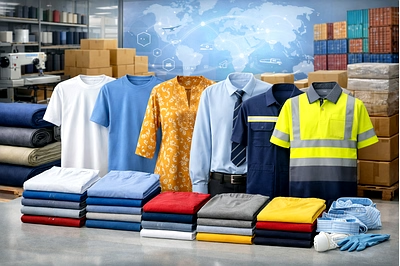
India is one of the world’s largest exporters of textiles and garments, making it a top destination for businesses looking to source high-quality apparel at competitive prices. Whether you are a startup, retailer, or distributor, importing clothing from India can be a highly profitable venture—if done correctly.
This step-by-step guide will help new buyers understand the process, minimize risks, and build a reliable supply chain with a trusted apparel exporter in India.
Before starting the import process, it’s important to understand why India is a preferred sourcing hub for apparel worldwide. The country offers a strong combination of quality, affordability, and manufacturing expertise.
Key advantages include cost-effective production, access to high-quality fabrics such as cotton and sustainable textiles, a skilled workforce, and a wide product range including t-shirts, uniforms, fashion wear, and workwear. These benefits make it easier for businesses to import clothing from India while maintaining strong profit margins and consistent product quality.
Clearly identify the type of apparel you want to import. Consider product category, fabric type, quantity, budget, and target market. Having well-defined requirements helps you communicate effectively with suppliers.
Search for a trustworthy apparel exporter through B2B platforms, trade fairs, or direct websites. Evaluate experience, certifications, product range, and customer reviews before shortlisting suppliers.
Always request product samples before placing bulk orders. Check fabric quality, stitching, finishing, color accuracy, and sizing consistency to ensure standards are met.
Discuss pricing structure, MOQ, bulk discounts, and payment terms. A reliable supplier will offer transparent pricing and flexible options suited to your business needs.
Ensure the supplier meets international standards such as ISO, OEKO-TEX, GOTS, and SEDEX. Working with a certified exporter reduces compliance risks in global markets.
Confirm product specifications, quantities, delivery timelines, and packaging details. Document everything in a purchase order or agreement.
Choose between sea freight for cost efficiency or air freight for faster delivery. Ensure all required documents such as invoice, packing list, and bill of lading are prepared correctly.
Clear customs using a licensed broker, pay duties and taxes, and arrange final delivery to your warehouse. Understanding import regulations helps avoid delays.
New buyers often face challenges when importing apparel. These can include quality issues, delayed shipments, communication gaps, and hidden costs. To avoid these risks, always approve samples before production, set clear timelines, maintain strong communication with suppliers, and clarify all costs including shipping and duties upfront.
A successful apparel import business depends on strong and reliable supplier relationships. Building trust over time leads to better pricing, priority service, and smoother operations. Start with smaller orders, maintain clear communication, provide feedback, and work closely with your supplier to improve processes.
Importing apparel from India is a strategic move for businesses looking to combine affordability, quality, and scalability. By following a structured process—from supplier research to logistics—you can minimize risks and maximize returns. Working with a reliable partner like Manna Mens Wear ensures smooth operations, consistent quality, and timely delivery.